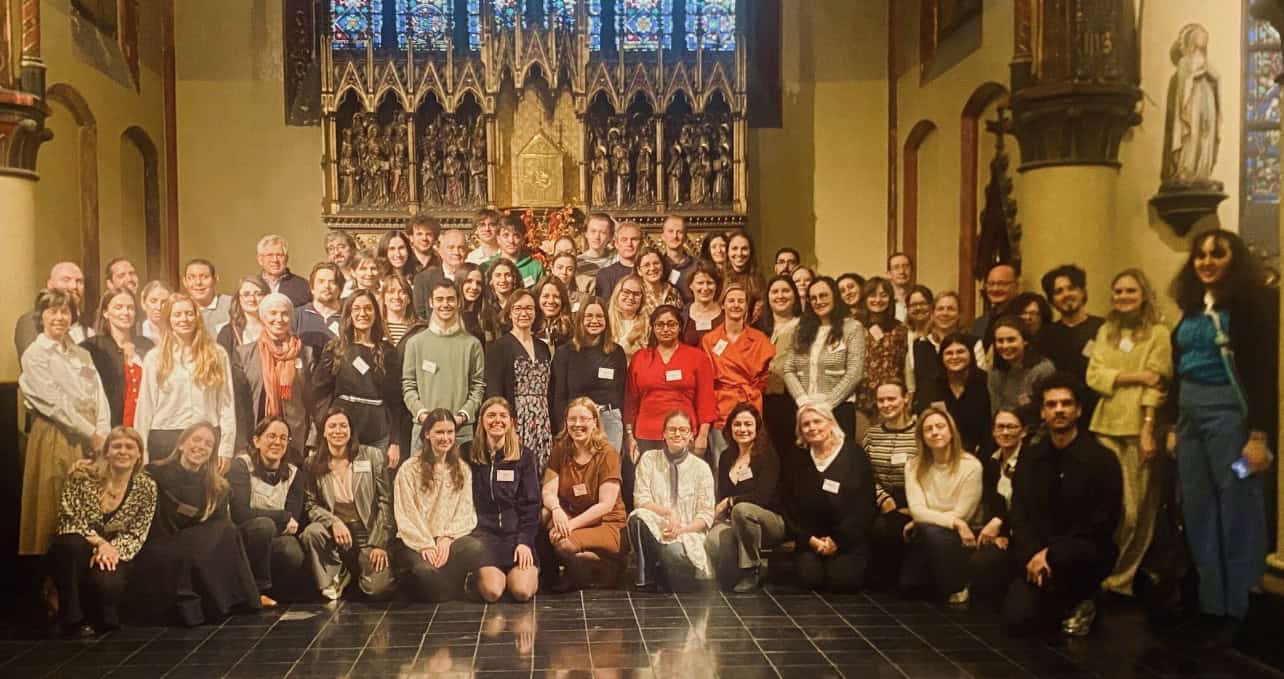
From 27-28 February, a significant workshop took place in Ghent, Belgium, bringing together representatives from European Reference Networks (ERNs) and various experts to focus on the transition of care for rare disease patients. Organized by the ERN Overarching Transition Working Group, the primary goal was to establish a unified European framework for maintaining healthcare quality when young patients move from pediatric to adult medical systems.
Because many rare diseases are diagnosed early in life, the shift to adult care is a pivotal phase that requires meticulous planning and collaboration. All too often, this process is disjointed, leading to gaps in treatment and a lack of support for young people. By creating standardized criteria and care recommendations, the ERNs aim to guarantee that these individuals receive continuous, high-quality medical attention while being empowered to manage their health independently as adults.
The workshop involved collaborative sessions where attendees tackled the specific obstacles and advantages of current transition models. They focused on bridging the gap between pediatric and adult services, drafting minimum standards for care, and identifying practical tools to make these pathways more consistent and fair across different regions. The insights gained from this meeting will now serve as a blueprint for improving transition strategies across all 24 ERNs.