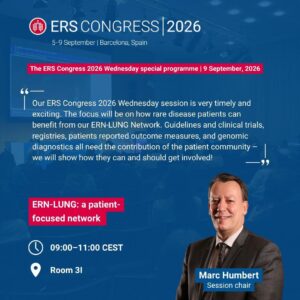
European Reference Networks (ERNs) connect 1,606 expert centers across Europe to harmonize care for rare and complex diseases through multidisciplinary collaboration and shared clinical guidelines. By utilizing the European Commission’s secure Clinical Patient Management System 2.0, specialists have virtually consulted on over 4,900 difficult cases, eliminating the need for patient travel. These networks have proven their resilience during global crises and maintained high quality standards, with a 2023 evaluation confirming that 95% of members meet rigorous benchmarks. Currently, the JARDIN Joint Action is working to integrate these mature networks into national healthcare systems to ensure sustainable, equitable access to specialized expertise for all patients.
The Orphanet Journal for Rare Diseases recently released a definitive paper on European Reference Networks. Written by leadership from all 24 networks, the publication highlights how ERNs are revolutionizing rare disease management by facilitating the cross-border exchange of medical expertise, ensuring patients receive top-tier care without having to leave their home countries.
Read the full article here